

Category

Family Planning & Parenting

The weird, wacky and wonderful world of pregnancy – 6 changes to expect when you fall pregnant

By Family Planning & Parenting, Women's Health

Pregnancy causes major changes to your body – some you might be prepared for, and others that are completely unexpected. Here are six of the most common (and strange) symptoms to look out for when pregnant.

1 Shortness of breath

Your organs actually move around to accommodate a growing baby. That means pressure on your diaphragm, which is the band of muscle under your lungs that controls your breathing. If you can’t quite catch your breath, take it as a sign to slow down and put your feet up!

2 Bizarre dreams

High levels of hormones, intense emotion, and lack of solid sleep means that many expectant mums have vivid, memorable dreams. It’s hardly surprising – you’ve got a lot on your mind! Talk about your dreams with a trusted person if they’re bothering you, but remember that dreams are your brain’s way of processing this exciting new stage.

3 Need to urinate

Your bladder gets hit with a two-punch combo, with increased blood volume putting extra burden on the kidneys as well as downward pressure from a growing baby drastically reducing the storage space. Get ready to map out the public bathrooms whenever you leave the house.

4 Increased sense of smell

While perhaps not the most impressive of super powers, your sense of smell is likely to become noticeably improved! This sensory experience will allow you to smell a fast food restaurant before you see it, but might also be a leading contributor to the nausea and vomiting associated with morning sickness. You could try using a fresh-smelling scent such as citrus or mint, and then wait it out – most women are back to normal in the second trimester.

5 Clumsiness

Many women feel clumsy during pregnancy, and it’s not just the sudden change in size and shape. A pregnant body produces hormones that loosen ligaments and joints, which combines with the added bulk in front to confuse your sense of balance and coordination. Protect yourself with sensible shoes and extra mindfulness when moving around.

6 Cravings

Many expectant mothers crave foods (or food combinations) that they won’t touch once the baby comes. Some women even crave non-food substances, such as clay or charcoal – a condition called pica, which should be discussed with your GP. As long as your diet is healthy and well-balanced, it won’t hurt to indulge in the odd pickle-and-ice-cream sandwich, and it becomes a fun story to tell!

If you are concerned about any of your symptoms, remember to discuss them with your GP – you can click here to make an appointment »
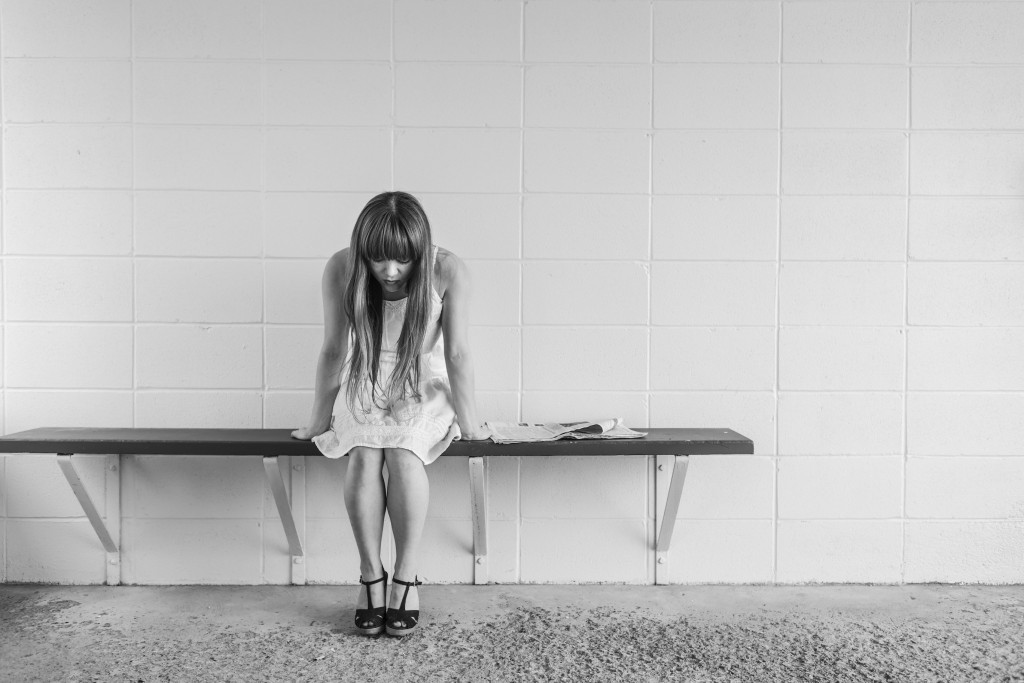
8 questions about Perinatal Depression and Anxiety

By Family Planning & Parenting, Mental Health, Women's Health

Are you a new or expecting parent? Have you had feelings of depression or anxiety? If so, you’re not alone.


What are the stats?

1 in 10 expecting mothers and 1 in 20 expecting dads struggle with antenatal (before child birth) depression. Additionally, 1 in 7 new mums and 1 in 10 new dads are diagnosed with postnatal (after child birth) depression each year.


And what about anxiety?

Unfortunately, even more new and expecting parents suffer from anxiety.


So what does this mean for me?

Adjusting to having a new baby is something that all parents should expect and prepare for. It’s usually a temporary adjustment, and might include some feelings of ‘baby blues’ for the first few days. So if you feel teary, anxious or moody during this time it’s not something to be overly alarmed by. But when these feelings last beyond the first few days and worsen, it could be time to reach out for help.


What should I be looking out for?

Keep an eye out for some of the common signs of postnatal depression such as:

  • Feeling like you’ve failed or are inadequate as a parent
  • Having a sense of hopelessness about the future
  • Having a very low mood that continues for long periods of time
  • Worrying excessively about your baby
  • Feeling scared of being alone or scared of going out
  • Feeling guilty, ashamed, worthless,
  • Feeling exhausted, empty sad and teary
  • Having trouble sleeping, sleeping for too long or having nightmares


What if I’m experiencing things that are scaring me?

In some situations you might experience thoughts that are confronting to you, such as leaving your family, or worrying that your partner will leave you. If you have these thoughts, or thoughts about self-harm or harming your baby or partner, please seek professional help right away.


Who can I reach out to?

Your family and friends.

Your GP – the independent GPs who consult at HealthMint are particularly good at helping people through depression and anxiety. They take the time to listen and work through things with you to put you on a path to feeling better.

Phone services:


What help is available?

Family and friends are the obvious go-to, but in some situations, just having a friendly face to speak to outside of your family can be a big help. So you may find that having regular visits with a good GP helps to alleviate your symptoms and make you feel relaxed and in control of your health. A GP can also keep an eye on your symptoms, and help you to determine whether what you’re experiencing needs further help. Together with your doctor you could explore things like:

  • Counselling
  • Group treatment
  • Medications such as anti-depressants
  • Developing support strategies
  • Diet and exercise
  • Yoga and mindfulness

So what’s the take home message?

You are absolutely not alone. There are people both within your immediate support network, as well as professionals that are ready and willing to help you. If this article encourages you to take the first step, then you are already a step closer to feeling better.

Book Now