

Becoming a mother can bring significant emotional, physical and lifestyle changes. While many women experience moments of stress, overwhelm or uncertainty after having a baby, ongoing emotional difficulties may affect day-to-day wellbeing and should not be ignored.
Mental health support for new mothers can involve early assessment, practical strategies, ongoing care and referral to additional services where appropriate. Speaking with a GP through our Mental Health services can help you better understand what you are experiencing and what support options may be available.
Key Takeaways
- Emotional changes after having a baby are common and can affect women differently
- Mental health support may help new mothers manage stress, anxiety or low mood
- A GP can assess symptoms and discuss available support options
- Early conversations about mental health can help guide appropriate care
- Support may include counselling, lifestyle strategies, referrals or ongoing follow-up
Why can mental health change after having a baby?
The weeks and months after childbirth involve major physical, emotional and lifestyle adjustments. Hormonal changes, interrupted sleep, feeding challenges, recovery after birth and changing routines can all affect emotional wellbeing.
Some women may experience temporary emotional changes often referred to as the “baby blues”, while others may experience symptoms that are more persistent or difficult to manage. Every experience is different, and there is no single “normal” way to feel after becoming a parent.
What signs may suggest additional support could help?
New mothers may benefit from mental health support if they experience ongoing symptoms such as:
- Persistent sadness or low mood
- Anxiety or excessive worry
- Difficulty sleeping beyond usual newborn disruptions
- Feeling overwhelmed or emotionally withdrawn
- Changes in appetite or energy levels
- Difficulty coping with day-to-day activities
A GP can help assess these symptoms in the context of your overall health and circumstances.
How can a GP support new mothers?
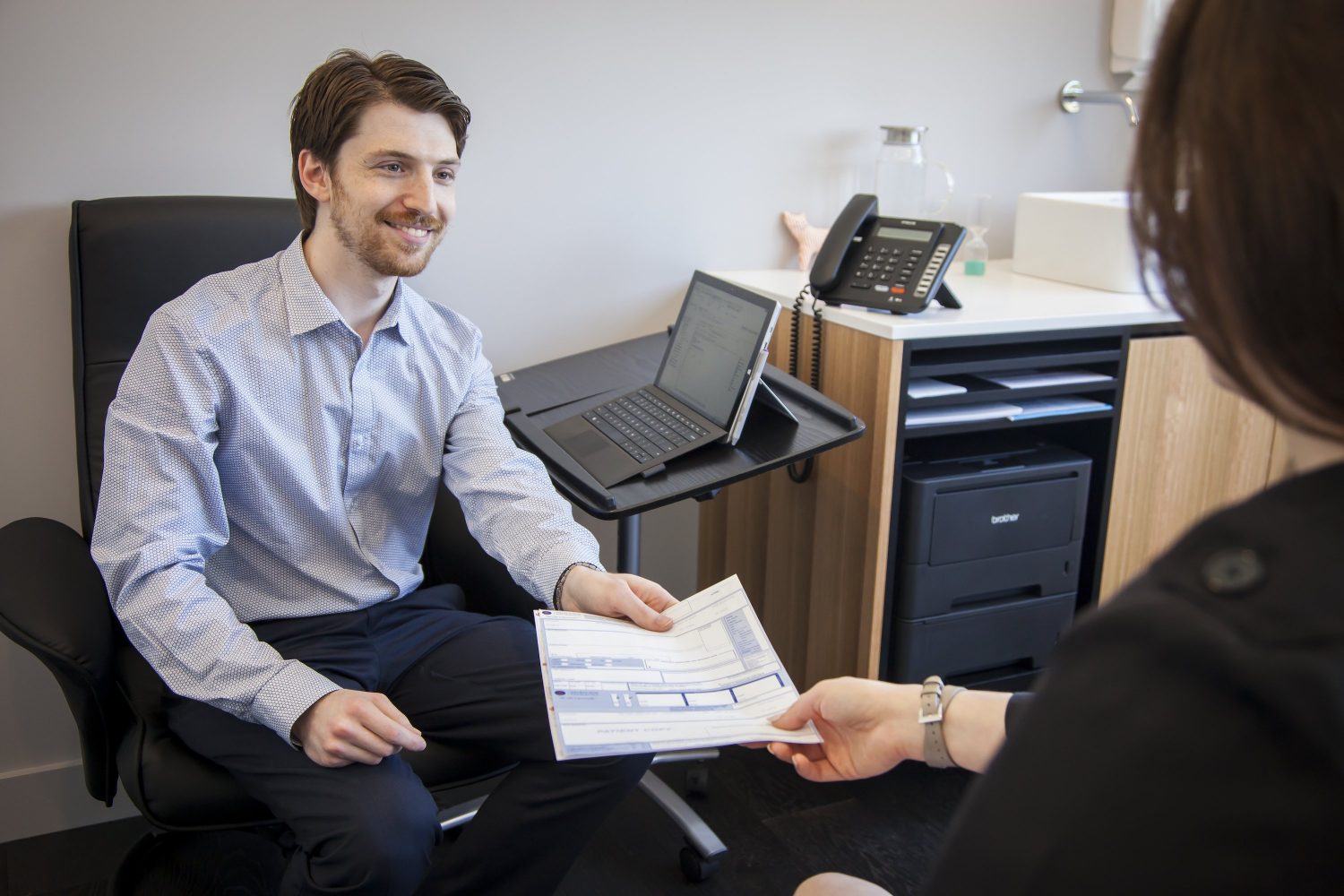
A GP can provide a supportive environment to discuss emotional wellbeing after having a baby. This may include assessment of symptoms, discussion of contributing factors and guidance around available support options.
Depending on your needs, support may involve:
- Mental health care planning
- Referral to counselling or psychology services
- Lifestyle and wellbeing strategies
- Follow-up appointments and ongoing monitoring
If required, your GP may also coordinate care with other health professionals.
What happens during a mental health appointment?
A mental health appointment usually begins with a conversation about how you have been feeling emotionally and physically since becoming a parent. Your GP may ask about sleep, stress levels, support networks, mood changes and daily functioning.
The appointment is designed to help you discuss concerns openly and understand what support options may be appropriate for your situation. Follow-up appointments may be recommended depending on your needs.
When should new mothers seek support?
There is no “right” time to ask for help. Some women seek support soon after birth, while others may notice changes gradually over time.
If emotional or mental health concerns are affecting your wellbeing, relationships or ability to cope with daily activities, it may be helpful to speak with a GP. Early support can help you better understand what you are experiencing and what care options are available.
Mental health support at HealthMint
GPs who consult at HealthMint provide mental health support as part of comprehensive primary healthcare for women and families.
You can also learn more about our Women’s Health Clinic and Family Planning and Pregnancy services.
If you would like to discuss your mental health or emotional wellbeing after having a baby, you can book an appointment with a GP.
Final Thoughts
Adjusting to life as a new parent can affect every woman differently. Mental health support is not only for times of crisis. It can also help you better understand emotional changes, build coping strategies and access appropriate care when needed.To learn more about HealthMint and our approach to patient care, visit our About Us page.









 2. Exercise assists in weight loss and helps prevent unhealthy weight gain
 3. Exercise reduces the risk of and helps to manage cardiovascular disease, reduce risk of heart attack, lower blood cholesterol, lower blood pressure
 4. Social interaction and exercise go hand-in-hand
 5. Build strong muscles and bones
 8. Lower the risk of falls with exercise