What Is a Child Health Check?
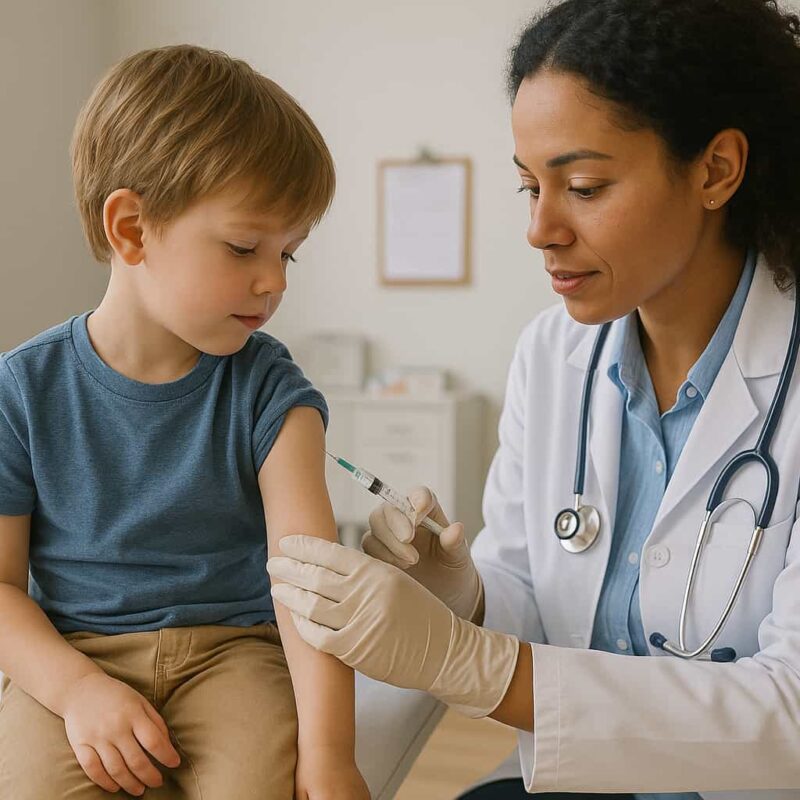
Child health checks are structured assessments that evaluate your child’s physical development and overall wellbeing. They include:
- Height, weight and head circumference
- Hearing and vision checks
- Growth and developmental milestones
- General physical and emotional health
These checks help ensure your child is growing well and can identify any early signs of health conditions that may need further attention.
Learn more about our comprehensive health checks for all ages.
Why Regular Child Health Checks Matter
Health assessments for children are more than routine. They allow healthcare professionals to detect any concerns early — often before symptoms are noticeable. With early detection, most issues can be effectively managed, leading to better outcomes later in life.
If your child has a chronic condition, our chronic disease care services may also support your family.
When Should Children Have Health Check Ups?
Routine health checks are recommended at the following stages:
- Newborn: Soon after birth, often supported by maternity services.
- 1 to 4 Weeks: To monitor feeding, sleep and early development.
- 6 to 8 Weeks: Includes developmental checks and immunisations.
- 4 Months: Immunisation and growth tracking.
- 6 to 9 Months: Covers weight, height, oral health, and safety education.
- 12 Months: Further immunisation and developmental review.
- 18 Months, 2 Years, 3 Years, 4 Years: Immunisations and general wellbeing assessments.
We recommend additional checkups if there are concerns about your child’s health or development.
🔗 If you’re interested in ongoing support for parenting and early life care, see our family planning and pregnancy services.
Immunisation and Preventative Care
Children’s immune systems are still developing, making vaccinations critical in the early years. GPs who consult at HealthMint offer:
- The full range of childhood immunisations
- 6-week baby checks
- Travel-related vaccines — learn more via our travel medicine service
Monitoring Growth and Development
Babies are usually weighed at regular intervals between 1 and 13 months, often during immunisation appointments. If there are any concerns about your child’s weight or growth patterns, we recommend more frequent reviews.
We also track oral health, speech and communication development, and can refer to our on-site or external psychology or allied health professionals if needed.
Allergy Concerns in Children
If your child is experiencing symptoms of an allergic reaction, call 000 immediately if breathing is affected. For non-emergency cases:
- A GP can refer your child for allergy testing
- Ongoing management advice will be provided
- Our team also supports mental health where health anxieties or behavioural symptoms arise
Support for New Parents: Breastfeeding & Diet
The clinicians that consult at HealthMint provide advice for common concerns like feeding, sleeping, and settling. Dr Imasha Perera, who consults at HealthMint Cranbourne, can also provide lactation consulting to support your breastfeeding journey.
📞 New parents can also access care via telehealth for certain consultations.
Continuity of Care from a Young Age
We believe in nurturing long-term health relationships. By starting early, your child gets used to visiting the clinic, seeing familiar faces, and understanding the importance of their health.
🌱 Learn how our approach is different: Why HealthMint?
Book a Children’s Health Appointment
Whether it’s your baby’s first visit or your preschooler’s regular checkup, our team is here to support your family.
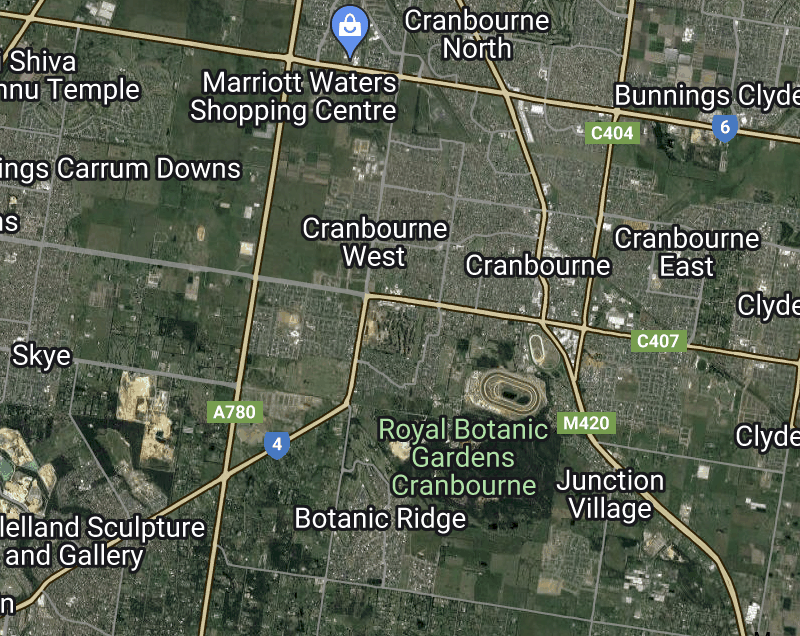
Book an appointment online at our Croydon or Cranbourne locations.