

Heavy or painful periods are common, but they are not something you have to simply put up with. While menstrual symptoms vary from person to person, periods that regularly interfere with your daily activities or change significantly may be worth discussing with a GP.
A GP can help assess your symptoms, explore possible causes and discuss management options that are appropriate for your individual health needs. If you would like personalised advice, some of the GPs at HealthMint offer a Women’s Health Clinic providing comprehensive GP care for women at all stages of life.
Key Takeaways
- Heavy or painful periods can affect women differently and may have a range of possible causes.
- A GP can assess menstrual symptoms and recommend appropriate investigations or management where needed.
- You do not need to wait until symptoms become severe before seeking medical advice.
- Keeping track of your menstrual cycle and symptoms can help support your consultation.
- Early assessment can help you better understand your menstrual health and available care options.
What is considered a heavy or painful period?
Every woman’s menstrual cycle is different. Some variation in flow, cycle length and discomfort is normal.
A period may be considered heavier or more painful if it regularly disrupts your normal routine, requires frequent changes of sanitary products, or causes pain that affects work, study, exercise or daily activities. If your symptoms have changed over time or are becoming more difficult to manage, it may be worthwhile discussing them with your GP.
What can cause heavy or painful periods?
There are many possible reasons why periods may become heavier or more painful. These can include hormonal changes, underlying medical conditions, certain medications or natural changes that occur at different stages of life.
Because symptoms can overlap, it is important not to assume the cause without an assessment. Your GP can consider your medical history, symptoms and overall health before recommending whether further investigation is appropriate.
When should you see a GP?
It may be helpful to book an appointment if you:
- Experience heavy bleeding that regularly affects your daily life.
- Have severe period pain that is difficult to manage.
- Notice significant changes to your usual menstrual cycle.
- Experience bleeding between periods or after menopause.
- Have concerns about your menstrual health or reproductive wellbeing.
You do not need to wait until symptoms become severe before seeking advice. If something feels different or is affecting your quality of life, your GP can help assess your concerns.
Please note that you should seek urgent medical care if bleeding is suddenly much heavier than usual, you feel faint, dizzy or very weak, have shortness of breath, or have severe or rapidly worsening pelvic pain. If you may be pregnant and have heavy bleeding or significant pain, seek prompt medical assessment.
What happens during a GP appointment?
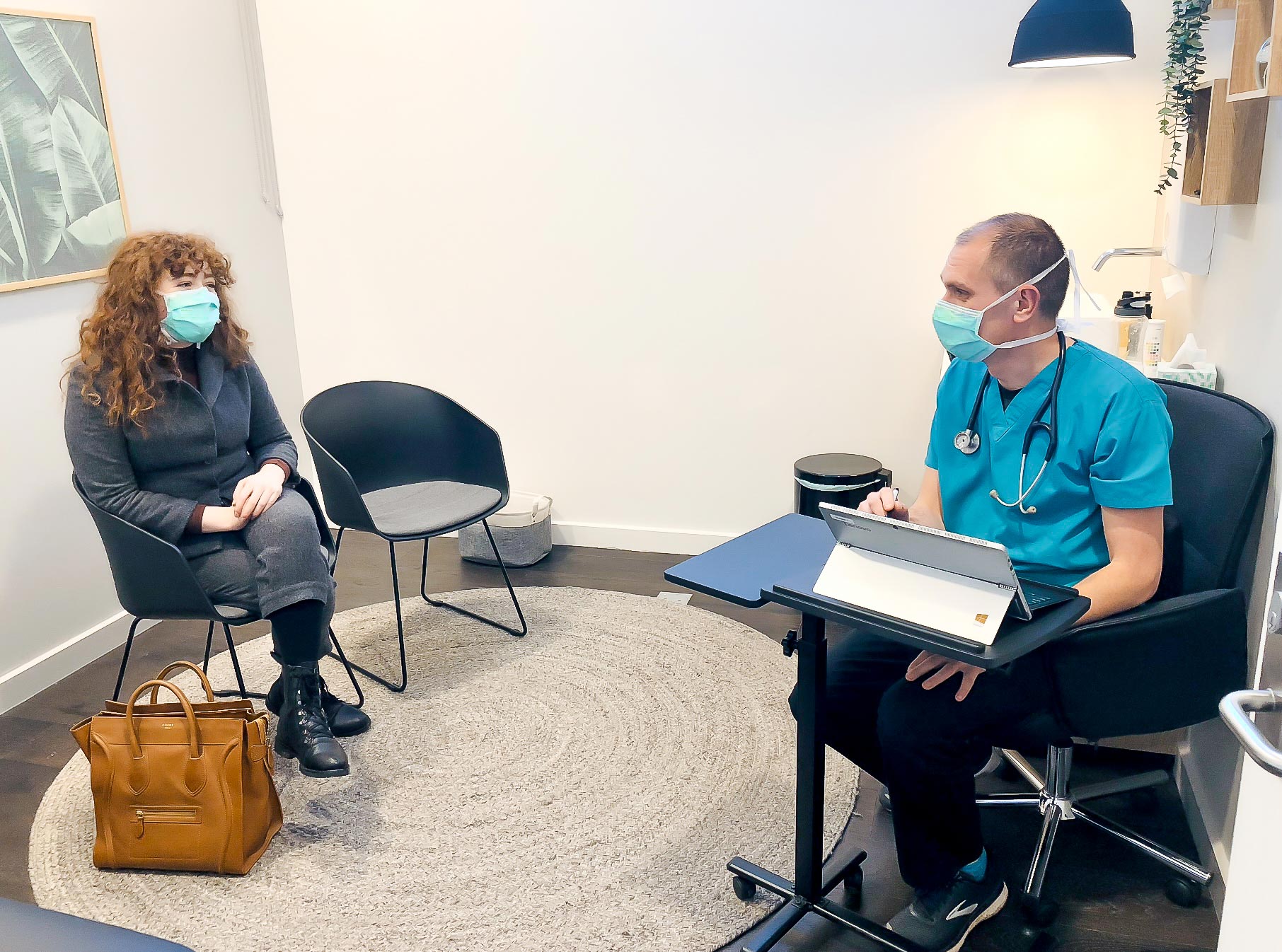
Your GP will begin by asking about your menstrual cycle, symptoms, medical history and any other health concerns that may be relevant.
Depending on your circumstances, your GP may recommend an examination, discuss appropriate investigations or explain management options that may be suitable for you. If additional care is required, a referral to another healthcare professional may also be recommended.
How can you prepare for your appointment?
Before your appointment, it may be helpful to make a note of:
- When your periods start and finish.
- How heavy your bleeding usually is.
- Where and when you experience pain.
- Any changes you have noticed recently.
- Medications or contraception you are currently using.
Having this information available can help your GP gain a clearer understanding of your symptoms.
Supporting your women’s health at every stage of life
Menstrual health is one part of your overall wellbeing. Regular discussions with your GP can help you stay informed about preventive care, reproductive health and changes that may occur throughout different stages of life.
If you are also considering contraception or pregnancy planning, you may find our Family Planning and Pregnancy service helpful. Some GPs who consult at HealthMint also provide IUD insertion, contraceptive implant insertion and removal where appropriate.
Final Thoughts
Heavy or painful periods are common, but that does not mean they should be ignored if they are affecting your wellbeing or everyday life. A conversation with a GP can help you better understand your symptoms and the care options available to you.
If you would like to discuss your menstrual health, you can book an appointment with a GP who consults at HealthMint. You can also learn more about our patient-centred approach on our About Us page.


 2. Exercise assists in weight loss and helps prevent unhealthy weight gain
 3. Exercise reduces the risk of and helps to manage cardiovascular disease, reduce risk of heart attack, lower blood cholesterol, lower blood pressure
 4. Social interaction and exercise go hand-in-hand
 5. Build strong muscles and bones
 8. Lower the risk of falls with exercise
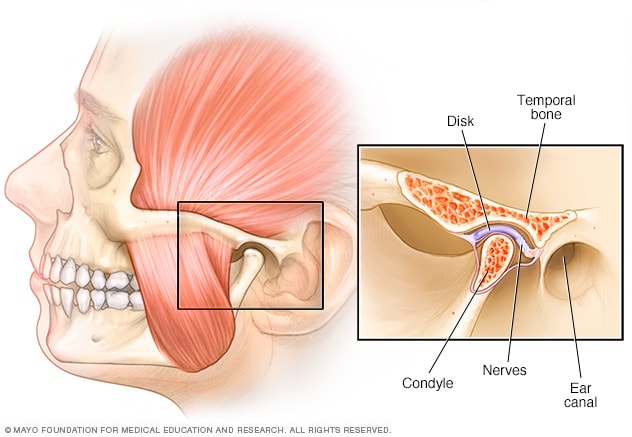
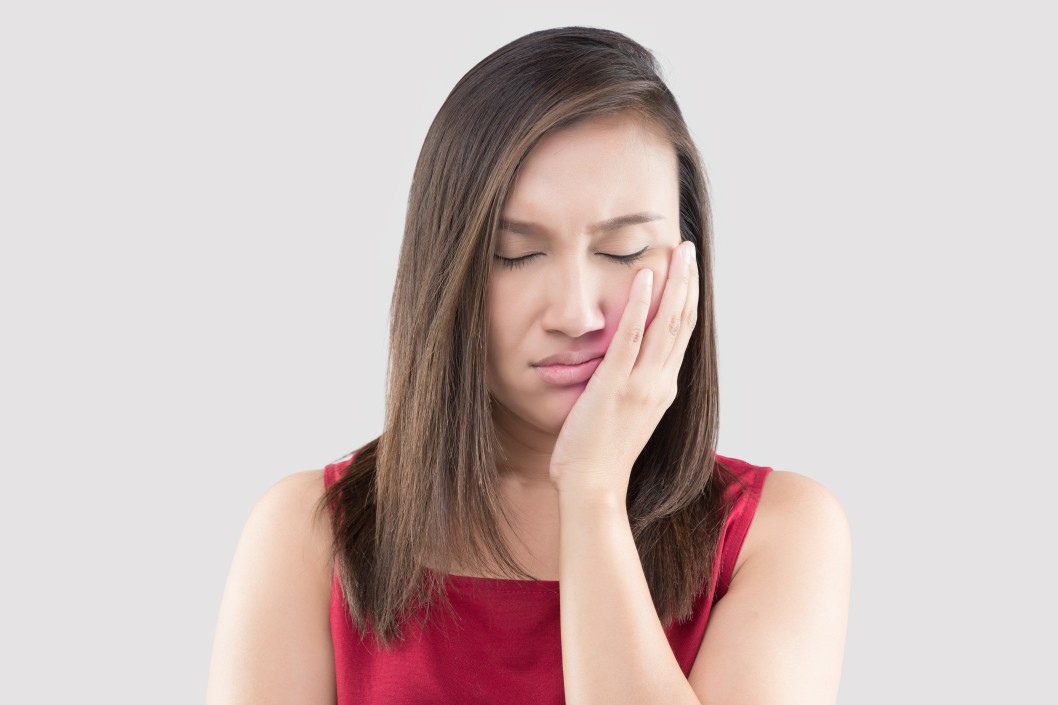 What can cause TMJ pain?
 If you or someone you know may be suffering from any of the above signs of TMJ, you can