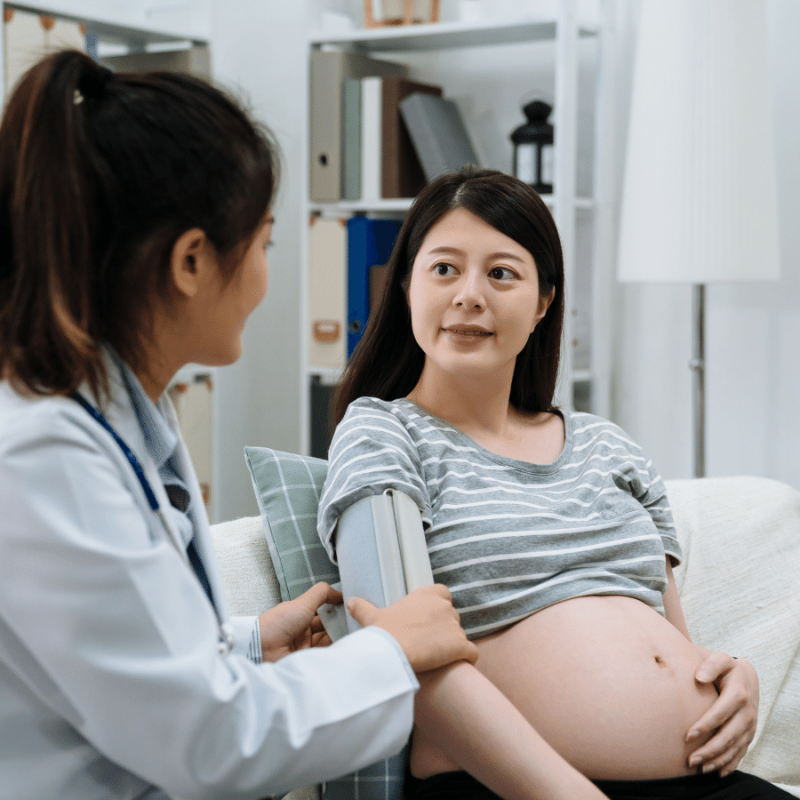
If you’ve had a positive pregnancy test — or think you may be pregnant — it’s important to see a GP early.
Early Pregnancy & First Antenatal Visit
GP Care in Early Pregnancy at HealthMint
When should I see a GP in early pregnancy?
It’s recommended to see your GP as soon as you know you’re pregnant, ideally within the first trimester (before 10–12 weeks).
Early GP care helps to:
• Confirm your pregnancy
• Check your general health
• Identify any medical risks early
• Arrange appropriate antenatal screening
• Discuss care options for the rest of your pregnancy
Early care sets the foundation for a healthy pregnancy.
What happens at your first antenatal GP appointment?
Your first antenatal visit focuses on both you and your baby’s early development.
Your GP may:
• Confirm your pregnancy with a urine or blood test
• Review your medical history and current medications
• Discuss pregnancy symptoms and what’s normal
• Arrange early blood tests and screening
• Provide guidance on nutrition, supplements, and lifestyle
• Discuss options for antenatal care and referrals
You’ll also have time to ask questions and raise any concerns you may have.
Antenatal screening and early pregnancy tests
Your GP will explain recommended early pregnancy screening, which may include:
• Blood tests
• Ultrasound referrals
• Screening for genetic or chromosomal conditions (where appropriate)
Your doctor will talk through what each test is for, when it’s done, and whether it’s right for you.
When to seek urgent medical advice
Contact your GP or seek urgent care if you experience:
• Vaginal bleeding
• Severe or worsening abdominal pain
• Dizziness or fainting
• Fever or signs of infection
• Severe headaches or vision changes
Early assessment helps keep both you and your pregnancy safe.
Managing symptoms and concerns in early pregnancy
Early pregnancy can come with many physical and emotional changes.
Your GP can help with:
• Nausea and vomiting
• Fatigue
• Mild pain or discomfort
• Questions about medications in pregnancy
• Mental wellbeing and emotional support
If anything doesn’t feel right, it’s always appropriate to seek medical advice.
Croydon – Appointment suitability
Appointment type:
Early Pregnancy / First Antenatal GP Appointment
If you think you may be pregnant or have recently had a positive test, we recommend booking an appointment as soon as possible.
Cranbourne – Appointment suitability
Is this appointment right for me?
At Cranbourne, a long appointment (30 minutes) is best for early-pregnancy and ongoing antenatal care.
What happens after the first visit?
After your initial antenatal appointment, your GP will:
• Help plan your ongoing antenatal care
• Discuss whether shared care may be suitable
• Refer you to hospital or maternity services as needed
Many women continue to see their GP regularly throughout pregnancy as part of shared antenatal care.
If you’re unsure which appointment to choose, our reception team is happy to help.